
AI in Mental Health: How Artificial Intelligence Impacts Human Psychology
Dr. Chance D. Gallo
What is artificial intelligence, or AI? Who created it? Is it helpful or hurtful? What impact does it have on human psychology? These are the questions we will explore, along with looking at emerging research to better understand this new age of artificial intelligence. In addition, is AI contributing to any systemic issues?
What is artificial intelligence?
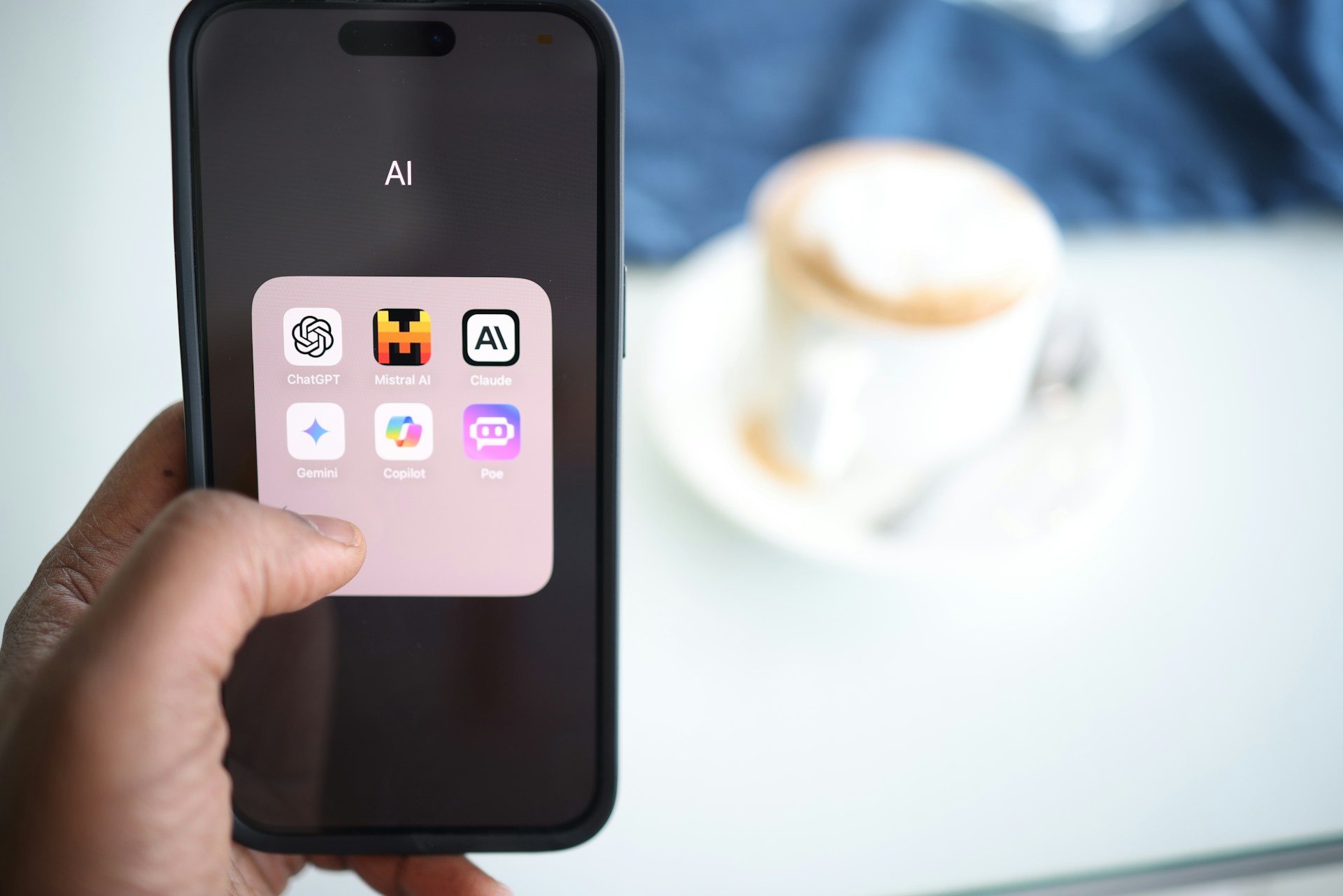
Artificial intelligence is a computer science that focuses on creating electronic systems that can address various questions ranging from learning, problem solving, decision making to perception. However, how do we apply validity to the usage of artificial intelligence? Trending AI platforms such as ChatGPT, Google Gemini, and AI Overview, or Perplexity, have become widely used systems in the last three to five years.
Why do we use this AI rather than using critical thinking skills, an innate ability in all humans? To answer this question, let’s dive further into where AI came from and the intentions behind its conception.
Who created it?
Artificial intelligence began as a simple question, “Can machines think for themselves?” that came from a British mathematician and computer science pioneer named Alan Turing in 1950. At that time, Turing focused on evaluating this theory based on separating a human and a computer and asking various questions, like the concept of a man and woman being separated for interrogation in a legal matter.
 In Turing’s theory, if the computer could not be distinguished from a human, it was using similar thinking capacities as humans, and could thus be considered artificial intelligence. Nearly six years later, following the death of Turing, John McCarthy, a professor at Dartmouth College, created a summer program to explore the concept of thinking machines further with university students.
Following the Dartmouth conference in 1956, artificial intelligence was officially introduced as a research study area. By the 1960s, artificial intelligence had made such an impact in technology that the U.S. Department of Defense began investing in artificial intelligence programs.
However, funding for these programs by the U.S. government eventually discontinued in the 1970s, and AI did not get further attention until the 1990s and early 2000s. Now, modern computers and cell phones can process data in a completely different way, faster than ever, and provide immediate results in seconds.
Is AI in mental health helpful or harmful?
So, how helpful is modern AI like the platforms listed above? AI is both helpful and harmful in various environments and situations. For example, if physicians continue to use an AI program to automate their patient notes, this saves them time; however, how private is the recording, and do the recordings accurately reflect effective patient care, including basic human empathy?
In addition, how or who is monitoring the algorithms that may develop biases toward specific searches? In my recent experience of going to my kids’ pediatrician’s office, the doctor asked if it was okay to use AI to help with his notes. I won’t lie and say I was not surprised, but more than the lack of surprise, I was amazed at the immediate reaction of the doctor being surprised when I declined this ability.
Now, did that change the doctor’s perception of me? Did that impact his care of my children? More than likely not, and yet there was a psychological reaction from him, which could only be seen as frustration because he overtly favored the idea of AI helping him with his notes, and my declining to allow it made things more difficult for him. This leads to the next discussion point in this article: how does it affect human mental health?
AI in Mental Health: Its Impact On Human Psychology
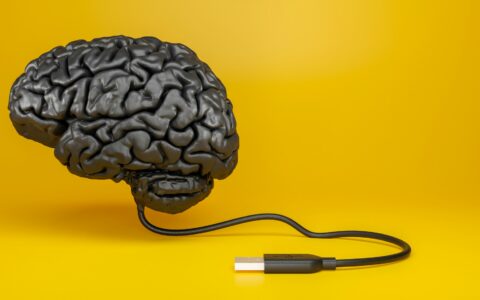
The first aspect of understanding the impact of AI on human psychology is first to understand the capabilities of the brain in thinking. The prefrontal cortex is the primary area of the brain responsible for critical thinking, decision making, planning, and problem solving.
 This part of the brain is what allows humans to use both concrete and abstract thinking in their daily lives, whether this be what to wear for the day or how we resolve financial deficits in our monthly budgets. As a practitioner, the prefrontal cortex is the powerhouse behind the critical thinking capabilities necessary for forming psychopathology and treatment methods.
How does AI impact critical thinking skills? First, AI can be a useful tool to enhance critical thinking if it is used in moderation. However, frequent use of AI creates a dependence that deteriorates one’s ability to think independently.
Let’s break this down even further by using everyday examples. Let’s say you’re the type of person who responds to conflict poorly and needs assistance in articulating your feelings and/or discomfort in forming a response to conflict. You provide AI with the problem, and AI provides several ways to respond.
Although this seems effective, it can lead to a buildup of anxiety if you are unable to use the AI when presented with conflict. In several instances, there have been videos and articles from everyday people reporting that the answers an AI platform provided were incorrect, which only breeds less trust in your own ability to think critically.
In the modern world, we search for quick, easy information to substantiate our perspectives. AI has, in one sense, contributed to the current cantankerous environment we find ourselves in, where a difference of opinion leads to conflict and, in certain cases, violence. So, how is AI doing this, you ask?
It limits people’s capacity to think critically by providing immediate answers to prove their moral or intellectual superiority over another person. Before the era of current AI, the internet made it easier for people to find information, rather than doing what previous generations had to do to gain knowledge (i.e., reading and going to libraries).
In many instances, people use AI to make themselves sound professional or more academically inclined than they really are. This again leads to a potential increase in anxiety and the potential of negatively impacting interpersonal relationships.
AI and Children
Now let’s look at school-aged children who often use AI to assist with their schoolwork. Again, AI provides quick responses, but do we question whether the information is accurate? Going even further, our current average reading level in the United States is eighth grade, with an illiteracy rate of nearly 21% among adults in the United States.
How is that possible, you may ask. The decline of our reading levels is not solely due to AI; however, AI is reinforcing the lower levels of reading comprehension because it thinks for you, rather than you thinking, which also helps us to store information in the various components of our memories.
For example, reading teaches us the general understanding of words, which are stored in semantic memory. Reading about a practical task is stored in procedural memory and reading autobiographies that help us gain an understanding of ourselves is stored in autobiographical memory. AI gives a momentary resolution, while thinking for ourselves gives us the ability to learn and create long-term habits.
The final takeaway from this article is to encourage you to think critically about the information you are reading now. Do you find that you agree or disagree with this article? If you agree, why do you agree or what do you agree with about the information?
If you disagree with the content of the article, what was the immediate set of thoughts that came to your mind to try and counter it? This article should motivate you to reflect on your ability to think critically and assess any dependencies you may have developed in your everyday life.
References:
https://st.llnl.gov/news/look-back/birth-artificial-intelligence-ai-research
Photos:
“The Wired Brain”, Courtesy of Getty Images, Unsplash.com, Unsplash+ License; “AI Apps”, Courtesy of Solen Feyissa, Unsplash.com, CC0 License

Other articles that might interest you...


How to Recognize Signs of Mental Illness
The shift in the willingness to acknowledge and address mental health issues has been a recent positive change in society. For...
continue reading » 
Using Mental Health Coaching in ...
We all face challenges that threaten to undermine our well-being. In the absence of the right set of tools to...
continue reading » 
Protecting Kids’ Mental Health
Every parent wants their child to have the strongest foundation possible for their mental health to flourish. A child with...
continue reading »