
Issues Surrounding Aging, Loneliness, and Depression That No One Talks About
Jetta Beacon
Many people reach a point in life where it feels like they are sitting alone in a waiting room, with nothing to expect, good or bad. A lot of others find it difficult to say, or even speak aloud, how they feel about growing old/aging with grace, some would say. It would take courage to acknowledge “This getting old sucks.” or even that they are feeling out of sorts.
These thoughts are personal, not to be shared; it’s way too private. One of the reasons this may happen, some older adults have shared feelings and have been denied really being heard, not just listened to. “I’m grieving the loss of my physical health, strength, my spouse, siblings, friends, co-workers, relatives, and my joy.” I feel lost.
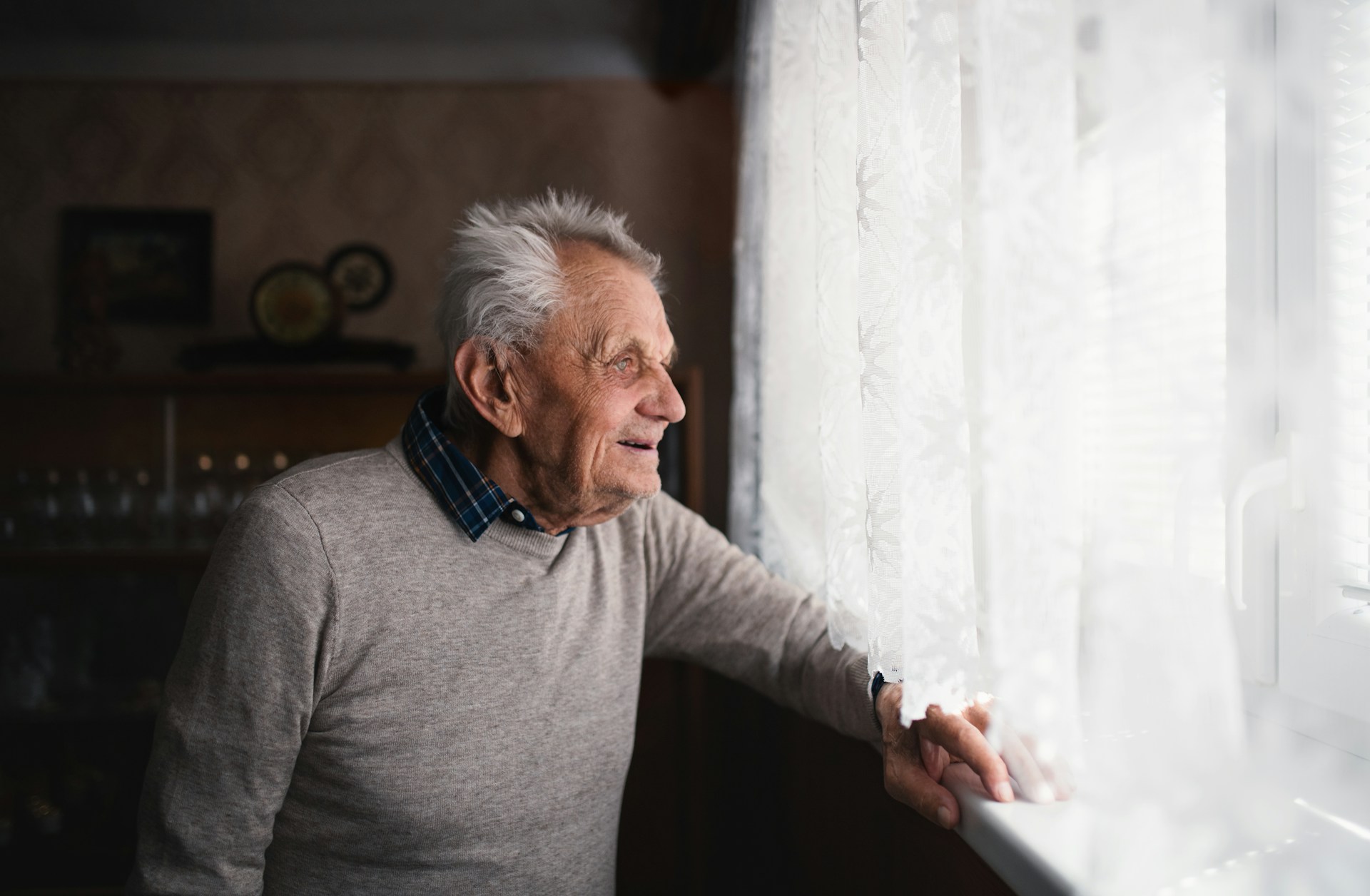 Loneliness doesn’t just start at fifty or sixty-five-plus years; that is part of our journey in life. Everyone at some time in life will experience feeling alone. Yet, during the declining years of fifty-plus, there is a change in how we see connections to our support systems. The value of those relationships, as we experience attending the funerals, or hearing of the loss of a relative or longtime friend(s) or acquaintance(s).
It is troubling. When physical and medical challenges increase, it is plausible that depression and loneliness may become a common part of the aging journey, but they don’t have to be. Both can be addressed if you seek help. Life has not truly ended for anyone who has woken up this morning.
Things might look a lot different and less appealing than they once did, but sometimes you need a fresh perspective to see life with a hopeful perspective again. There is a scripture that refers to all things becoming new.
2 Corinthians 5:17 (ESV) “Therefore, if anyone is in Christ, he is a new creation. The old has passed away; behold, the new has come.” Our mindset has to change. If you acknowledge that Jesus is Lord and Savior, your mindset must change. That is the same with aging.
Why People Don’t See Loneliness and Depression in the Aging Population
If you grew up in a society that condemned or stigmatized things like loneliness and depression, there is little chance that you would ever admit feeling those things yourself. Loneliness was often seen as a kind of weakness, and depression was almost on par with moral failure. People used to gossip in hushed whispers about friends they knew who went to “shrinks,” and therapy was reserved for people with scandalous issues.
Mental health was not a topic people mentioned, except to say what they didn’t believe about it. With values like these, many older people are in denial about their struggles with deep sadness/ depression and fears of being labeled crazy; they brush off any attempt to get help.
It’s easy to mask loneliness and depression behind old age. Depression among people frequently manifests physically, too. It shows in the form of fatigue, memory loss, loss of appetite, difficulty sleeping, and a host of physical ailments and pains.
 You might be passing these things off as a part of the regular aging process, and sometimes that’s all they are. However, if you have a general sense of hopelessness and disinterest in life, then these physical symptoms can be manifestations of depression.
If you reach the point in life where you are withdrawing from activities and people, where you spend the majority of your time alone, and where it feels like you have nothing to look forward to, you are likely experiencing loneliness, the outcome of which leads to a depressive mood. This is not a weakness or failure, but something many people experience.
Regardless of your values and belief system, you don’t have to remain feeling this way. It can be hard to communicate with family members about your current state of mind, and often they seem too preoccupied with their own lives to pay attention to any changes you are experiencing.
Unique Challenges That Cause Loneliness and Depression for Older People
You might be feeling like you don’t fit in today’s world because you have had to adjust to a lot of rapid changes; it’s overwhelming. The world changes around you quicker than you can adjust. There is new technology seemingly every day, and at some point, it feels easier to stay out of the loop than to try to keep up.
If you are experiencing the constant feeling of being anxious, not being attended to, what I mean by that is to be seen (facial expressions, eye contact, uncomfortable), heard (are you listening to me when I say how I feel, the words I use), understood (validate my feelings with understanding/ help)
It is overwhelming and lonely to face so much change. In many areas of society, it seems like chaos everywhere, and you don’t understand. It is even worse when there is no one to help explain all the changes to you.
One of the hardest changes to adapt to is when you lose a loved one. If you have lived with and loved someone for most of your life and they aren’t there anymore, that is one of the deepest forms of loneliness and sadness you can face. You may find it difficult to begin living with such a space in your life; a life with its most precious element missing.
If you are grieving the loss of a loved one, you are not alone, and you don’t have to be. Do you fear how you can live without your loved one or that best friend? A counselor can help you process the loss on the journey of grieving. The grief journey is not one to walk alone; you will need support when you are ready to talk about it.
Aging brings a host of issues with it; chief among them is having to deal with a body that is changing, in many ways. Anyone would struggle with having limited mobility, experiencing aches and pains that are unfamiliar.
It’s scary, not just uncomfortable, adapting to new medications and having their independence and wallet impacted by all these things. Ageing well can be difficult for some, but there is help available. “Fear not” is in the Bible multiple times.
Hebrews 13:5 (NIV): “God has said, ‘Never will I leave you; never will I forsake you.’” This verse reminds us of God’s unwavering commitment to His children. He promises to always be with us, never abandoning or forsaking us, even in the midst of challenges and difficulties.
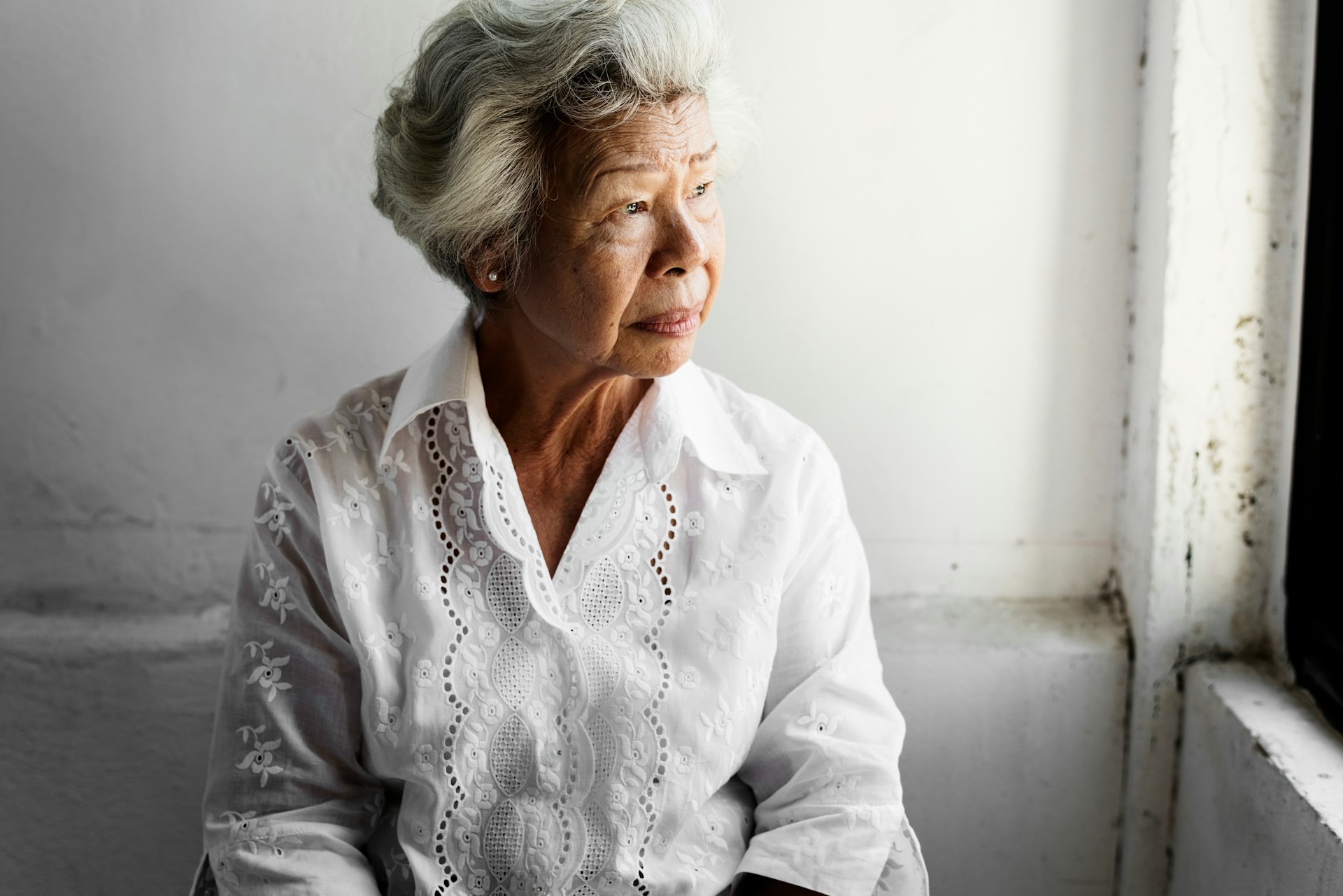 During the changes in our lifestyle due to aging, our hope is that we will have good, positive support. We have to think about what we would consider good support. Preparing ahead of time will make all the difference. Decide who you can consider dependable or not, even in the family, and who is able and willing to help. Guard your heart from disappointment.
Also, consider assistance outside of family through organizations that have excellent reviews. Preparing for the transition of your lifestyle will offer you a sense of peace. If you’re relying on your family for support to any degree, there’s a good chance that you feel as if you’re a burden to them. You may not be a burden, and they would never see you that way if they love you.
Yet we don’t know if they are going to be available. Feeling like a burden can add to depression and hopelessness. That is why we must plan ahead. In our mobile society, many young families have moved away, taken jobs in other areas in the state or other states.
Some families are less involved in their older relatives’ lives. There are few things that are as painful as feeling less important in your loved one’s life. They might think of you regularly, but you won’t know that unless they visit you or call you to prove it.
One of the most unique experiences of aging is a feeling of regret over missed life goals. This is a feeling that you typically only get at a certain age when you take stock of your accomplishments over the years and feel like you missed out on doing important things.
There is a special kind of sadness attached to these feelings, and it’s depressing. It grieves the loss of a perceived opportunity from long ago. Or even a few months ago. You might have run out of resources, motivation, and opportunities, but you haven’t run out of time.
What to Know as a Younger Adult
As a younger person supporting an older family member, there are a few important things to keep in mind and a few practical ways that you can better support your loved ones. The first one is consistency. Life can be demanding, but there will always be excuses until you make up your mind to prioritize someone.
The only thing many senior adults want is your presence. They appreciate your gift of your time with them and couldn’t survive without your practical support. In their last days, all they want is to be with the ones they love.
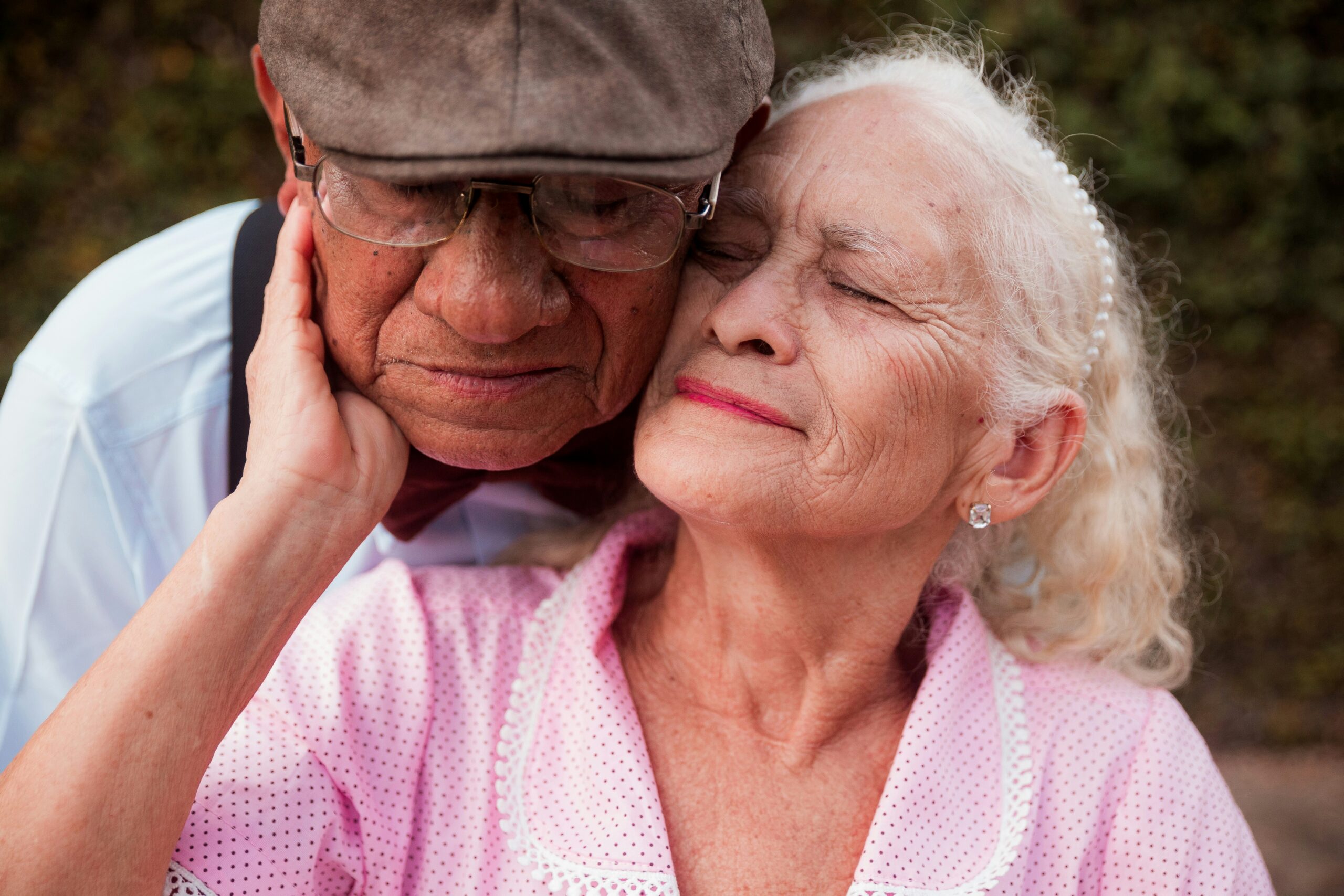 A practical and straightforward way to support your aging loved one through the aging journey or even their latter days of living is to be attentive and listen to them with understanding. They may repeat the same story for the hundredth time. Their stories and their experiences are like heirlooms, and they have held enormous value for decades. Honor them by treasuring them.
Reassure them that they are loved and a priceless treasure in order to ensure their comfort and happiness. This should go without saying, but it won’t hurt to repeat as often as necessary. Aging family members or friends who are seniors will experience loneliness and some depressive moods.
So much has changed in their physical health, strength, and stamina; with the loss of loved ones and the sorrow of friends who have died, they need to know that they still hold value, that their presence still matters, and that they still have something to impart and teach.
Find out something that they enjoy and ask if they are interested in doing that activity. Allow them to have a voice when you visit. It might be a game or maybe a creative project, like compiling a family tree made of old photographs. You will provide company for them as you craft something together. Equally important is that you also provide a sense of purpose, perhaps even creating something that they can leave behind as their legacy.
Next Steps
Depression is treatable at any age, and it is never too late to get support. If you are caring for a senior or aging family member or friend, you might also need to speak with someone for your sake. Consider meeting with a counselor to share your burdens. Please consult our online catalog or speak with our administration team for further help.
“Looking Out the Window”, Unsplash.com, Unsplash+ License; “Grandmother”, Courtesy of Hosein Sediqi, Unsplash.com, CC0 License; “Elderly Woman”, Courtesy of Curated Lifestyle, Unsplash.com, Unsplash+ License; “Still in Love” Courtesy of Junior REIS, Unsplash.com, CC0 License

Other articles that might interest you...


Understanding Loneliness and Depression
Loneliness and depression can be intertwined, and it can be difficult to distinguish where one may end and the other begins....
continue reading » 
Finding Support for Depression in Aging ...
The idea of eternal youth is a wildly popular narrative in fictional stories and legends. The legend of the Fountain...
continue reading » 
Common Causes of Depression
If you are experiencing symptoms of depression or have ever experienced a depressive episode in the past, you may wonder...
continue reading »