

How Social Media Algorithms Can Affect Self-Esteem
Dr. Chance D. Gallo
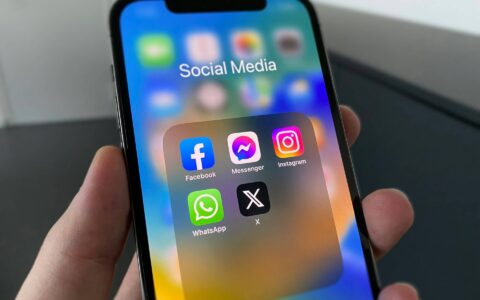
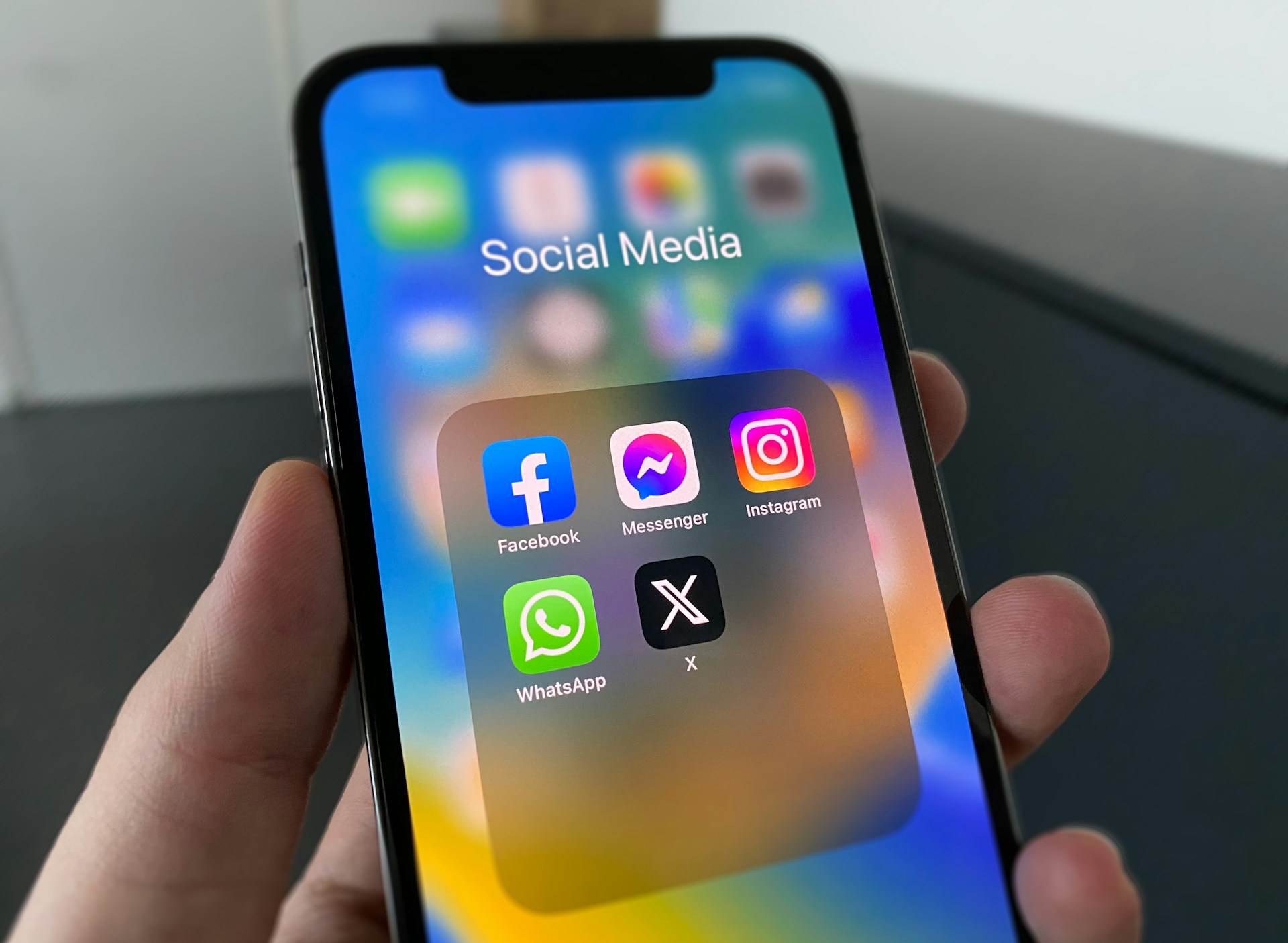
In the modern age of technology, social media platforms have become not only a means of communication/connection but a way of seeking psychological comfort. Various social media platforms such as TikTok, Instagram, Meta, and YouTube use algorithms to assess your perceived interests and continue showing feeds of those interests.
But what exactly is an algorithm, and can it change? What is the connection between these algorithms and one’s interpretation of self-esteem? Who is mostly impacted by this occurrence? This article will focus on these primary questions, outcomes, and alternatives to address a growing concern of social media use among America’s youth.
Algorithms
Per the Merriam-Webster dictionary, an algorithm is “a step-by-step set of instructions or rules used to solve a problem, perform a calculation, or complete a specific task.” Simply put, different platforms, including social media, use algorithms to target content that is perceived to be preferred by the person using various feeds on social media.
The algorithms on social media are set by the duration of a video watched. For example, if a person scrolls past several videos but watches a video for thirty seconds or more, an algorithm is created to show you more videos of similar content.
 For instance, if you enjoy watching videos of people doing do-it-yourself (DIY) projects and watch various DIY videos, the algorithm will show you predominantly DIY videos. These algorithms are typically broken when a new algorithm is created based on a perceived change of interest, or you spend more time on different feeds. On most social media platforms, you can have more than one algorithm depending on your interests.
Connection of Algorithms and Self-Esteem
Now that we know what an algorithm is and how it works, what impact does it have on one’s self-esteem? Think of a particular feed that may touch an insecurity of yours. For example, maybe you are having a rather difficult time in life, and you see more videos of people demonstrating happiness, wealth, etc., and now these videos cause a psychological reaction.
This can be as simple as “I was already having a horrible day because of work, now I see other people happy at their jobs on TikTok, and I feel worse now about my situation.” For many adults, compared to adolescents/teenagers, social media may serve as a temporary or even regular outlet to disconnect from day-to-day stressors.
However, these algorithms pose a risk of developing a sense of dependence on them to relieve stress, anxiety, or bring happiness (e.g., laughter from videos you find hilarious). Therefore, there are potentially consequential implications of this depending on the algorithms you have and the frequency of your social media use.
Who is impacted or how is someone affected?
Social media has different impacts on different age groups. First, let’s look at the social and psychological impacts on American youth. One of the largest concerns is the prevalence of cyberbullying, and leading to riskier behaviors among youth.
 According to Khalaf, et. al. (2023), American youth who are overly exposed to social media, particularly in late adolescence and teenage years, are at higher risk of developing psychopathology such as clinical depression, anxiety and/or phobia disorders, and suicidal ideation.
Per their study, researchers found that 14.8% of adolescent psychiatric admissions to hospitals between 2016 and 2020 reported that the primary reason for their admission was due to cyberbullying on social media, which led to them feeling overwhelming suicidal ideation (Khalaf, et. al., 2023).
This research study also found a significant correlation between before and/or during bedtime use of social media/technology and poorer sleep and eventual academic decline. Additional concerns consist of unmonitored activities on social media platforms that depict pseudo pornographic content.
This has resulted in a high prevalence among adolescents and teenagers using pornography, which can cause several other psychological and physiological challenges. Positive uses of social media include better awareness of the importance of taking care of one’s mental health, humor content, identity formation, and creative expression.
Now let’s compare this to adults. Similar to youth, social media serves as a multi-purposed outlet for everyday life. However, the risks are different and often more damaging compared to youth. For instance, employers in the last ten years have used social media posts of their employees as justifications for terminating their employment.
 In addition, with vast amounts of knowledge on social media, threats of violence have exponentially increased, including threats to find where people live, work, or where their children go to school. According to Naslund, et. al. (2020), an estimated 3.8 billion people in the world had access to social media in 2020, which included a large demographic of adults living with mental illnesses.
This exposed adults with and without serious mental illnesses to influences that challenge or question one’s reality. For example, with the various conspiracy theories circulating on social media, adults who live with conditions like schizophrenia are more prone to having their existing symptoms become more severe (Naslund, et. al., 2020).
Additionally, social media use has significantly impacted in-person social interactions. Following the COVID-19 pandemic, many adults found that a temporary method of communication (i.e., due to government isolation regulations) never reverted to previous methods of communication.
This includes fewer social interactions and difficulty handling social conflicts in an appropriate manner. This became even more prevalent when social media trends such as recording altercations became popular as a form of entertainment and with a disregard for law, order, or civility. In fact, these social media trends have gained such popularity that certain platforms pay you to watch them, which triggers more algorithms.
What is the impact of social media on Christianity?
Social media has had a two-fold impact on Christianity. On one side, Christianity continues to be vilified as a hateful religion that ostracizes anyone who does not think, feel, or believe in every word of the Bible. For example, while at a Mariners game at T-Mobile Park in Seattle, you might see a group of people with signs saying that a certain demographic of people (often an explicit or vulgar adjective) “…are going to hell, repent now or be judged!”
 This video and several others like it flood social media platforms and convince several people (youth and adults alike) that Christianity is a hateful religion. This is largely seen in major U.S. metropolitan cities across the country in universities, colleges, high schools, and public events. This not only makes it difficult to convince others of the good news of Jesus Christ, but it tarnishes its validity in their eyes.
The other side is a great promotion of Christianity. Specifically, having younger adults worshiping God influences other youth and even adults to give their lives over to God. Social media platforms in the last five years have even been used by churches across the United States to promote community events and overall advertisement of the church. However, depending on the algorithm, people can be influenced either positively or negatively.
What is a potential solution to harmful social media use?
Simple options include limiting social media use as an adult and really understanding your daily dependence on it. If you feel you cannot get off social media despite overt negative repercussions, seek professional help, as you may be demonstrating addictive-type behaviors.
Limit screen time for youth and have appropriate parental locks as needed. Parents should have regular conversations with their kids about social media use and make sure they are doing okay. Practice having more conversations in person and do not recklessly debate people on social media (especially people you do not know).
Khalaf, A. M., Alubied, A. A., Khalaf, A. M., & Rifaey, A. A. (2023). The impact of social media on the mental health of adolescents and young adults: A Systematic Review. Cureus, 15(8), e42990. href=”https://doi.org/10.7759/cureus.42990″>https://doi.org/10.7759/cureus.42990
Naslund, J. A., Bondre, A., Torous, J., & Aschbrenner, K. A. (2020). Social media and mental health: Benefits, risks, and opportunities for research and practice. Journal of technology in Behavioral Science, 5(3), 245–257. https://doi.org/10.1007/s41347-020-00134-x
Photos:
“Phone Users”, Courtesy of Camilo Jimenez, Unsplash.com, CC0 License; “Social Media”, Courtesy of dole777, Unsplash.com, CC0 License; “Texting”, Courtesy of Robin Worrall, Unsplash.com, CC0 License; “Social Media”, Courtesy of Julian, Unsplash.com, CC0 License


