

How to Give Effective Support to a Depressed Person
Robin D. Webb
It is never easy to witness the suffering of others. That is even more so when the person who is struggling is someone you care about. You sympathize with them and feel as if you have taken on some of their burden.
When it comes to giving effective support to a depressed person, it can be a challenging, emotional, and deeply meaningful goal. Not only do you need patience, empathy, and wisdom, but it is also important to be physically and emotionally present for them without losing yourself in the process.
How Best to Support a Depressed Loved One
As you consider how best to support a depressed loved one, it is important to consider how best to position yourself for that role. While it may be easy to jump in feet first to help a loved one, it is not wise to do so when you do not know what is going on or how best to help.
 Some of the things to consider before you proceed to be a support to a depressed loved one include the following:
Wield your influence well One of the things to consider before providing support to a depressed loved one is that you have limits and/or boundaries. It is wise to know your boundaries and work well within them. It is good to encourage and model healthy routines like getting good rest, getting exercise, and eating well. You can reinforce hope and connection by reminding your loved one of their value and worth as an individual created and loved by God.
Part of wielding your influence also includes being a support for them to get professional care. You can help them research options for therapy and even take them to their appointments.
Avoid dysfunction or codependency You cannot cure your loved one’s depression. Your role is one of offering support. Set healthy boundaries and say “No” if you start feeling overwhelmed. You should maintain your own commitments, hobbies, and other friendships. Setting a boundary does not mean that you are withdrawing your love from your loved one.
 You can also encourage your loved one’s independence by guiding them to manage their own wellness journey instead of doing everything for them. These activities or commitments need to be communicated honestly so that you prevent any miscommunications that might arise.
It is also wise to know how and when to step back. If it comes to a place where your support enables your loved one to avoid therapy or their responsibilities, it may be time to reevaluate your participation. Recognize the limits of your role, because you are not your loved one’s therapist or savior. While your support is valuable, it is not a cure-all. Depression is a serious mental health and psychological condition that requires professional help.
Care for yourself, too Supporting a loved one with depression is a challenge. In order to provide effective support, you also need to care for yourself. That includes setting emotional limits and knowing when you need a break to prevent burnout. Setting limits also helps you maintain balance in your own life and reduces the risk of becoming resentful.
Caring for yourself also includes seeking your own support. Find a trusted friend, family member, or therapist so that your needs are also met. Prioritize rest and good sleep, eating healthy, and activities that recharge your batteries. It is wise to educate yourself about depression. Understanding what depression is helps you to respond both compassionately and effectively on behalf of your loved one.
Giving Effective Support to a Depressed Person
 As you consider how to give effective support to a loved one dealing with depression, it is important to consider how to position yourself so that you can be of effective help. Some of the ways you can support a loved one struggling with depression include the following:
Recognize the signs. Depression is a mood disorder that affects an individual’s thinking, how they feel, and the way they act. When you know the signs, you can urge your loved one to get the help they need sooner. The signs of depression include persistent sadness, irritability, excessive guilt and self-blame, hopelessness, and a loss of interest in hobbies and activities they once enjoyed.
Some behavioral signs to be alert to include your loved one’s neglect of their responsibilities, withdrawing from loved ones or social activities, immersing themselves in work, and significant changes in their eating and sleeping habits. Cognitively, they may struggle with indecisiveness and difficulty remembering things or concentrating.
Your loved one may also exhibit physical signs such as lethargy, slowed movements, unexplained aches and pains that do not go away with standard treatments, and fatigue. It is important to look out for red flags, such as talk about death, self-harm, or suicide. These red flags should not be ignored. They need immediate attention.
Practice listening Listen to your loved one without judgment. Allow them to talk without needing to jump in immediately to fix things. Acknowledge their pain and experiences, reassuring them that it is okay for them to feel as they do. Do not minimize their feelings by sharing sentiments such as “Others have it worse than you,” or “Just cheer up; it will be okay soon enough.”
Be present There are many ways for you to be present for your loved one, including checking in regularly, even if it is a simple text message or a call that helps them to feel loved and less alone. You can also offer practical support through gestures such as helping with errands, cooking them a meal, or accompanying them when they have an appointment with their doctor or therapist.
Don’t take things personally When you interact with a depressed person, their mood can affect you, particularly their irritability or withdrawal. This is not a reflection of what they think of you. The illness does strange things to people and how they respond to others. Remember that in those moments you are tempted to take their behavior personally.
Take a measured approach It is easy to become overly responsible for a depressed loved one’s well-being. Their depression can pull you away from your own life, and you can also feel guilty when you cannot always help them. Boundaries are important, as is the reminder that your love, presence, and support are a part of the puzzle, but they are not the whole solution.
Taking a measured approach means reminding yourself that by stepping back to allow them greater independence and not neglecting your own needs, you are also caring for yourself. This enables you to show up better for them as well. You do the most good for a depressed person when you are consistent and compassionate toward them, balancing that with taking adequate care of yourself.
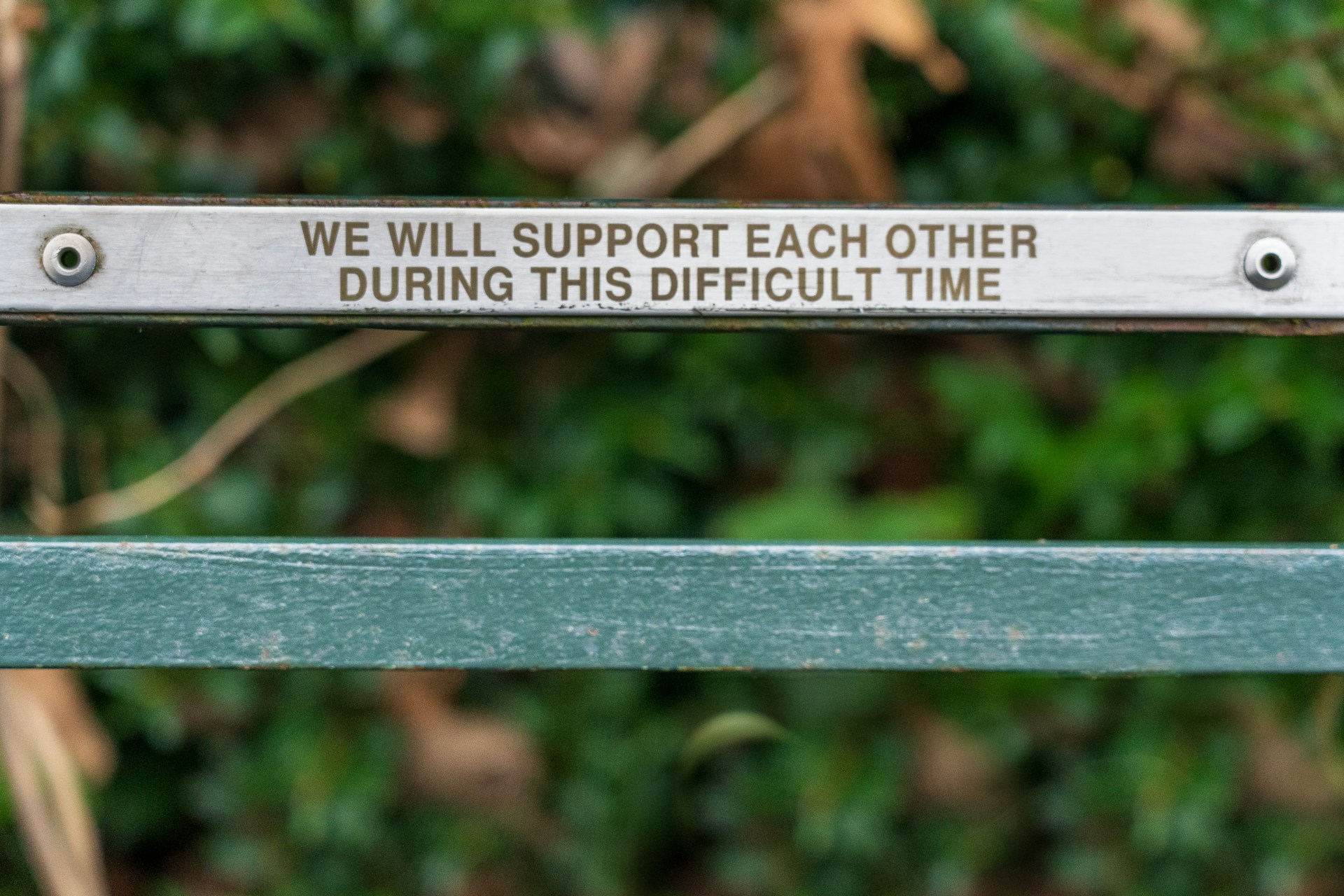 Encourage them to seek help Depression requires the intervention of professionals, and you should not take the load on yourself. Do not pressure or nag them, whether it is to attempt to tell them to snap out of it, or to go see a therapist. This will only serve to increase their feelings of guilt and perhaps even resistance to the idea of getting help. Rather, you can gently guide your depressed loved one toward a therapist or counselor for the help they need.
Helping a Depressed Person
Depression is a significant challenge, but one that can be overcome. You can effectively come alongside a depressed loved one to help them as they face this challenge. Love and nurture them in a wise, healthy, and balanced way. This requires understanding what depression is and how it works, being present for them within healthy limits, and encouraging them to seek professional help.
Whether you are looking for support in this process or for a resource for someone who is depressed, a Christian counselor can help. Connect with a counselor today to get started.
“Comfort”, Courtesy of Priscilla Du Preez, Unsplash.com, CC0 License; “Down”, Courtesy of Kateryna Hliznitosva, Unsplash.com, Unsplash+ License; “Help”, Courtesy of Allison Saeng, Unsplash.com, Unsplash+ License; “We Will Support Each Other”, Courtesy of Unsplash.com, CC0 License


