


How to Manage Feeling Anxious About Current Events
Dr. Timothy Miller
Current events have left people across the nation feeling anxious and worrying about their futures and families. Even as a Christian who knows God has a plan foretold in the Bible, living for such a time as this, current events can seem scary.
But there are ways you can feel less anxious and worried over the things you cannot control. The following approaches address what you are exposed to, self-care amid chaos, and changing your thought patterns.
News Media and Social Media
It is good to stay informed, but for most of us, we are overexposed to information through news and social media. You turn on the television and are greeted by the news. Newspapers and magazines, along with their digital counterparts, appear on every search. You are not alone if you have ever scrolled through Facebook or X (formerly Twitter) to read updates from friends and people you follow, only to be inundated with news stories, some sensationalized and others not.
Not every news outlet is unbiased. Ask yourself if you’re reading or listening to an editorial. Is that what you need or just the facts? Take note of sites or media that are fearmongering.
Limit exposure
Take control of what you see and read. Stay informed but limit your time on specific sites. For example, watch the news for half an hour daily and unfollow social media pages that leave you feeling anxious.
Catch your news in bite-sized chunks, giving yourself extra time to read more later. Stay informed, but not to the detriment of your mental health.
Unfollow groups, organizations, and people
 Some groups, organizations, and individuals exaggerate the news to generate more clicks. Be discerning about who you follow and what news you subscribe to. You should leave a site feeling informed (and, depending on the news story, justifiably concerned), but not wrapped in fear.
Remember, “For the Spirit God gave us does not make us timid, but gives us power, love, and self-discipline.” You control what you watch and read. Use self-discipline and lean into God’s power and love. He’s the One to follow.
Consider the sources
Before getting upset over a news story, ask yourself who is really behind it. Consider the sources. Is it an individual or an organization you trust to provide unbiased facts? When it comes to current events, many people add their own opinions. Ask God for discernment to separate fact from fiction, and for His understanding, peace, and comfort.
God is the source. When feeling anxious, lean into Him. He always has a plan and sees a much bigger picture than we can. The Bible depicts stories of how His hand was behind the scenes, moving quietly for His purpose and glory.
Manage notifications
Most of us receive notifications either on our phones or through email from news sites, social media influencers, and newsletter subscriptions. But these notifications can trigger feelings of anxiety and dread. When you hear the ding or see the notification icon, you become conditioned to look at it, even if it is bad news.
Consider managing your settings for notifications to only allow for specific sites or turn them off completely during this season if they are triggering panic attacks. Emergency notifications should still be received, but you will not be interrupted throughout the day with news outside of your control.
Take care of yourself
We often feel helpless and hopeless when events are beyond our control. This feeling of flailing about and insecurity fuels anxiety, panic, and fear. Instead, choose to focus on what you can control: your own physical, emotional, mental, and spiritual health.
When your health is out of balance, you have a harder time coping with bad news. Take into account your nutrition, sleep, exercise, relationships, cognitive health, and personal relationship with God and His Son, Jesus Christ.
Choose sleeping over scrolling
Prioritize sleep to lower stress and anxiety. Sleep helps regulate emotions, making it easier for you to process feelings and think clearly. On the other hand, sleep deprivation worsens anxiety symptoms, making it more difficult to concentrate or sleep through the night.
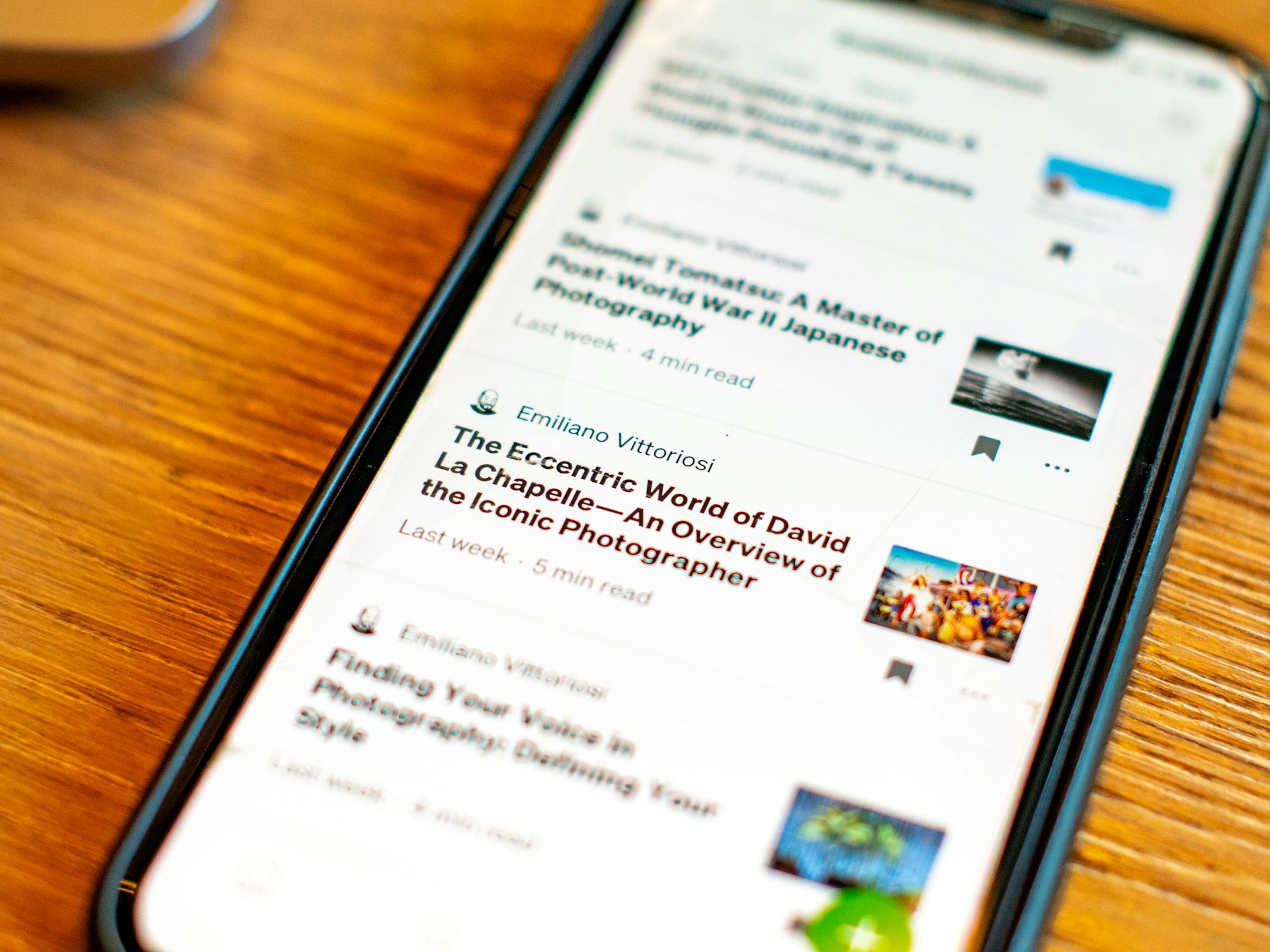 It can be challenging to fall asleep with so much going on in the world, but a consistent nighttime routine could help. Shut off the news and social media at least two to three hours before bed.
Not only will it help your mind rest, but the blue light emitted from devices also interferes with sleep. Find a couple of non-stimulating activities to practice that help you unwind. For example, a warm bath followed by a five-minute stretching session and a cup of herbal (decaf) tea.
Use movement to soothe anxiety
Movement soothes anxiety by lowering adrenaline and cortisol, the stress hormones, and raising endorphins and serotonin to increase happiness and regulate emotions. Any heart-pumping exercise should work. Try a variety of activities to keep your interest, such as walking, resistance training, Pilates, yoga, Tai Chi, kickboxing, bicycling, or swimming.
For optimal benefits, aim for 150-300 minutes of exercise per week. This can equate to three 10-minute sessions a day, if that’s all you have time for in your schedule. Avoid exercising three hours before bed as the stimulation will interfere with sleep.
Practice mindfulness
Sometimes, you need to remind yourself to keep your mind in the present, rather than worrying about a future that may or may not ever happen. Practicing mindfulness focuses your mind on the present, lowers your heart rate, regulates breathing, and promotes a sense of calm.
There are several techniques you can try to ground yourself in the present. These include the 5-4-3-2-1 grounding technique, progressive muscle relaxation technique, meditation, and prayer. A counselor can lead you through various techniques to help you find one you like.
Settle into a hobby
To lower anxiety, settle into a hobby you love. Often, when we are fearful, we stop living life and enjoying the activities that brought us immense pleasure. Rediscover these lost hobbies and activities by scheduling them into your week or month.
Try to spend a few minutes every day doing something you love. You might consider spending 15 minutes reading, playing a video game, listening to music, or sketching in a notebook. Plan weekly or monthly sessions for more in-depth play.
Shift thought patterns
Negative thoughts can influence our perception, emotions, and behaviors. The fear surrounding current events can lead to negative thoughts and worry. When you challenge these thoughts and learn to reframe them, they lose their power over you. You can shift your emotions and the resulting actions.
Speak to a counselor about Cognitive Behavioral Therapy (CBT) and how the thought-emotion-behavior cycle feeds anxiety. Your counselor can help you with techniques grounded in psychology to break free from negative thought patterns.
Be the good
Volunteering is an excellent way to focus on others and feel useful during a tumultuous period. Most of the time, we feel helpless when world events are heating up, but serving others puts us into action.
Check with your church or local community center about volunteer opportunities in your town. Where can you provide your talents or skills to help others? Be Christ-like. Contribute to the good of the world.
Find support when you’re feeling anxious
A trusted friend or family member can be a rock when you’re feeling anxious and need them most. Find someone in your inner circle whom you can confide in and support and encourage each other, as iron sharpens iron.
If you cannot find someone for support when you’re feeling anxious, look for support groups either in person or online. Your counselor may suggest a group or host one for clients. Perhaps you can offer to form your own support group for those feeling anxious about current world events.
If you are struggling with anxiety during this time, help is available at Seattle Christian Counseling. Here you will find a counselor specializing in anxiety and other mental conditions. Contact us today, and a representative will connect you with me or another Christian counselor at our office. Take the first step toward no longer feeling anxious.
Photos:
“Reading the News”, Courtesy of Roman Kraft, Unsplash.com, CC0 License; “Feed”, Courtesy of Emiliano Vittoriosi, Unsplash.com, CC0 License


